Review: Angry Cat in Window Bluework for Apparel
As an embroidery designer who spends half my life hooped up and the other half sourcing digital assets, I have learned that not every machine embroidery design is created equal. Some are merely decorative; others are strategic brand builders. Recently, while curating assets for a new capsule collection of boutique sweatshirts and hoodies, I stumbled upon Angry Cat in Window Bluework on Creative Fabrica. It caught my eye immediately—not just because it features one of the internet’s favorite subjects, but because of its specific aesthetic potential for modern, casual wear.
In this review, I am breaking down why this particular Cats themed design might be the missing piece in your next custom apparel launch. Whether you are an Etsy seller looking to refresh your catalog or a small shop product creator aiming for higher perceived value, understanding the nuance of this design is key to executing it well.
Visual Personality and Stitching Mood
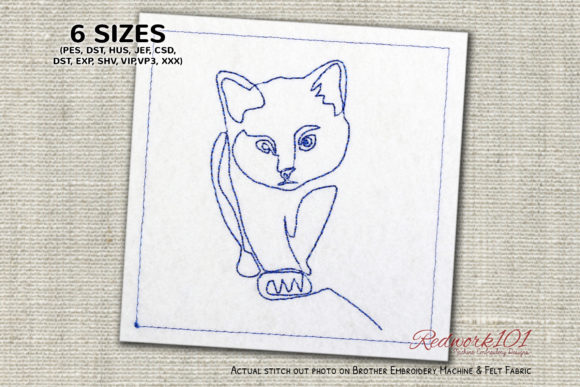
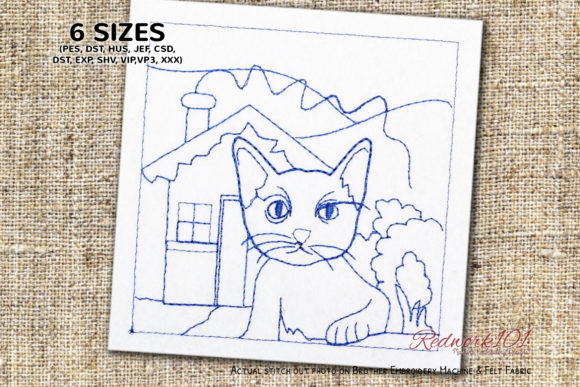
The first thing that strikes you about Angry Cat in Window Bluework is its attitude. It is not the overly sweet, saccharine kitten imagery that saturates the market. Instead, it offers a playful yet bold personality. The "angry" expression adds a layer of humor and relatability that resonates deeply with current fashion trends, particularly in the streetwear and cozy-luxury sectors.
The term "Bluework" in the title suggests a monochromatic or limited palette approach, which is incredibly trendy right now. For a boutique brand, this simplicity is a strength. It allows the design to feel premium rather than cluttered. The visual mood is casual but intentional. It feels like a design that belongs on a high-quality garment, not just a novelty item. When I visualize this embroidery file stitched out, I see clean lines and a distinct character that stands out without screaming for attention. It is subtle enough for daily wear but unique enough to spark conversation.
Strategic Placement for Sweatshirts and Hoodies
When planning a sweatshirt embroidery collection, placement is everything. This design is versatile, but it shines brightest in specific areas. For a classic look, I recommend placing Angry Cat in Window Bluework on the left chest of a heavyweight hoodie. The compact nature of the window frame concept makes it ideal for this spot, creating a balanced, professional look that mimics high-end retail branding.
However, do not limit yourself to the chest. Consider using this as a sleeve accent on oversized garments. A smaller version of the cat peeking out from the cuff or upper arm adds a delightful surprise element that customers love. For back designs, you might pair this motif with minimal text or leave it as a standalone statement piece if the scale permits. The key is to respect the negative space. Because the design involves a "window" concept, ensuring the surrounding fabric color contrasts well with the thread is crucial for visibility.
I also envision this working beautifully on tote bags. The sturdy canvas of a tote provides an excellent foundation for the stitch density, allowing the details of the cat’s expression to pop. For denim jackets, the texture of the denim complements the structured look of the window frame, adding a rustic, handmade charm to the finished product.
Navigating Fabric Textures and Stabilizers
One of the most critical aspects of reviewing any digital embroidery file is considering how it interacts with different materials. The product description notes that "The Box Stitch shown in the picture is optional." This is a vital detail for us as designers. If you are stitching on fleece or thick terry cloth, skipping the outer box stitch might prevent unnecessary bulk and stiffness. Conversely, on thinner cotton t-shirts, keeping the box could provide a nice structural border that prevents the fabric from puckering around the design.
You must pay close attention to stitch density. While I cannot specify the exact count without opening the file, bluework styles often rely on satin stitches or dense fill patterns to create depth. When working with stretchy fabrics like ribbed cuffs or lightweight jersey, using the correct stabilizer is non-negotiable. I always recommend a cut-away stabilizer for garments that will be washed frequently, as it provides long-term support for the stitches. For fleece hoodies, a tear-away might suffice if the design is light, but testing on scrap fabric is essential.
Dark garments present another opportunity. The description mentions that "The color of the outer box is a different color in most of the designs unless it is part of the design itself." This flexibility allows you to adapt the design to dark apparel by choosing high-contrast thread colors. Imagine a white or silver thread on a black hoodie—the angry cat would look striking and modern. Always check your thread chart against the fabric color to ensure the "angry" expression remains visible and doesn't get lost in shadow.
Enhancing Brand Identity and Product Value
Why choose Angry Cat in Window Bluework over a generic clipart conversion? Because it elevates the perceived value of your handmade product. In the world of commercial embroidery, consistency and quality are what build buyer trust. A well-executed, unique design signals to the customer that care went into the creation process. It helps establish a visual identity for your boutique brand that is recognizable and distinct.
When you use this design in your printable mockup images or social media graphics, it creates a cohesive narrative. It tells a story of comfort with a edge. This emotional connection drives customer engagement. People buy into the personality of the cat as much as they buy the sweatshirt. For Etsy listings, this means you can craft descriptions that highlight the humor and quality of the embroidery, differentiating your small shop product from mass-produced alternatives.
Practical Designer Notes for Production
Before you commit to a full production run, there are several steps you must take to ensure success. First, always confirm the hoop size required for this design. While the visual suggests it is manageable for standard hoops, verifying this against your machine’s capabilities is crucial to avoid resizing issues that can distort the stitch pattern.
Second, review the licensing terms on Creative Fabrica. As a creative entrepreneur, you need to be certain that you have the rights to sell finished apparel featuring this embroidery design. Most files on the platform come with commercial use rights, but it is your responsibility to read the specific license included with the download.
Third, test on similar garment fabric. Do not assume that because it looks good on cotton, it will look good on polyester blends or heavy fleece. Check for registration issues, thread breaks, and overall aesthetic balance. Compare placement options by hooping multiple samples. Sometimes, shifting the design by half an inch can make a significant difference in how it sits on a curved surface like a shoulder or chest.
Finally, consider the seasonality. This design fits perfectly into cozy seasonal outfits, making it ideal for fall and winter collections. However, its playful nature also works for spring pastels. By adapting your thread colors—soft blues for spring, deep navies for winter—you can extend the lifecycle of this single machine embroidery design across multiple seasons.
In conclusion, Angry Cat in Window Bluework is more than just a cute image; it is a versatile tool for the modern embroidery business. With careful attention to fabric choice, stabilizer selection, and strategic placement, it can become a staple in your custom apparel offerings. It bridges the gap between playful creativity and professional execution, helping you build a brand that customers remember and trust.