Dancing Steps: A Designer’s Review for Boutique Apparel
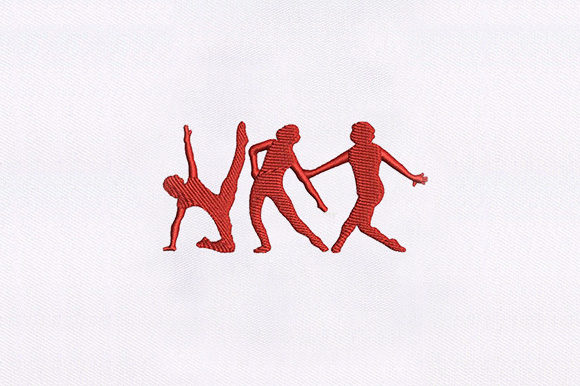
As an embroidery designer who spends countless hours digitizing and testing files for boutique collections, I am always on the lookout for motifs that balance charm with technical reliability. When I first encountered Dancing Steps on Creative Fabrica, my immediate interest was piqued by its potential for seasonal apparel lines. This machine embroidery design features a sweet depiction of three dancers, offering a narrative element that goes beyond simple geometric patterns. For those of us running small clothing brands or Etsy shops, finding a design that tells a story while remaining versatile is crucial.
Visual Personality and Stitching Mood
The first impression of Dancing Steps is one of playful elegance. The motif captures movement without becoming overly complex, which is a significant advantage when working with varied fabric textures. The visual personality leans towards cute and feminine, yet it retains enough structure to look professional on higher-end garments. It does not feel rustic or overly minimal; instead, it strikes a trendy balance that appeals to dance crews, fitness enthusiasts, and casual wearers alike.
From a technical standpoint, the detail level appears moderate. This is ideal for commercial embroidery because it avoids the pitfalls of extremely fine details that might get lost in fleece or thick cotton. The decorative strength lies in its silhouette. When reviewing the design, I noted that the flow of the dancers creates a natural focal point. This makes it an excellent candidate for chest placements where you want immediate visual engagement without overwhelming the garment.
Applying Dancing Steps to Sweatshirts and Hoodies
Imagine preparing a small sweatshirt or hoodie collection for an online shop. This is where Dancing Steps truly shines. On neutral sweatshirts, such as heather grey or oatmeal, the design adds a touch of whimsy that elevates the basic garment into a boutique piece. For pastel hoodies, the sweet nature of the three dancers complements the soft color palette perfectly. However, I would advise caution with dark apparel. While the design can work on black or navy, you must ensure high contrast in your thread colors to maintain visibility.
For oversized garments, which are currently trending, placement is key. A standard left-chest placement works well for a subtle look, but consider a larger scale version for the back if the file size permits. Sleeve accents are another creative option. Placing a smaller iteration of the design on the cuff or upper sleeve can create a cohesive look when paired with a larger front graphic. Always test on similar garment fabric before production. Fleece and ribbed fabrics behave differently than woven cotton, and the stretch can distort the embroidery if not properly stabilized.
Versatility Across Product Lines
Beyond heavy winter wear, this embroidery file is surprisingly versatile for lighter items. For t-shirt embroidery, the design breathes well on jersey knits, provided you use the correct stabilizer to prevent puckering. It also translates beautifully to tote bag design. A canvas tote featuring Dancing Steps becomes an instant lifestyle product, perfect for dance students or anyone who appreciates artistic flair in their accessories. Denim jackets offer a sturdy base for this motif, allowing the threads to sit prominently against the rugged texture.
For handmade product sellers, the ability to create cohesive social media graphics and printable mockups is vital. Dancing Steps provides a clear, recognizable shape that photographs well. Whether you are creating listings for Etsy or promoting a new drop on Instagram, the clarity of the three dancers ensures that your digital embroidery file looks as good in photos as it does in person. This visual consistency helps build buyer trust and product recognition.
Technical Considerations for Professional Results
While the aesthetic appeal is strong, practical execution determines the success of your finished product. Before committing to a full run, you must address several technical factors. First, check the stitch density. If the design is too dense for lightweight fabrics, it may cause stiffness or tearing. Conversely, if it is too sparse, it may not cover the fabric adequately on darker garments. Since the product description mentions it comes with specific files, always confirm the hoop size compatibility with your machine.
Stabilizer choice is non-negotiable. For sweatshirt embroidery, a cut-away stabilizer is often preferred to support the weight of the stitches over time. For t-shirts, a tear-away might suffice, but test extensively. Thread color contrast is another critical element. To make the dancers pop, choose threads that stand out against the fabric texture. Metallic or variegated threads could add a dynamic effect, but solid colors often provide a cleaner, more classic look for boutique brands.
Be mindful of curved surfaces. Embroidering on the curve of a sleeve or the shoulder of a hoodie requires careful hooping to avoid distortion. Additionally, avoid placing the design in areas that experience high friction or extreme stretching, as this can compromise the integrity of the stitches over time. Tiny lettering, if included in any variation of the file, should be scrutinized for readability after stitching.
Enhancing Brand Identity and Value
Incorporating a well-chosen design like Dancing Steps can significantly affect your apparel value. It transforms a blank garment into a custom apparel piece with perceived higher value. For a boutique brand, this attention to detail signals quality. It shows customers that you have curated your offerings rather than simply printing generic logos. This builds customer engagement and encourages repeat business.
However, always review the licensing terms on Creative Fabrica. Ensure that the license allows for commercial embroidery products if you plan to sell the finished items. Understanding the rights associated with your digital embroidery file protects your small shop product line from legal issues. By combining a charming design with professional execution, you create a product that stands out in a crowded market.
Final Designer Notes
Before launching your collection, stitch out samples on scrap fabric. Compare placement options to see what resonates best with your target audience. Check the Creative Fabrica product details for any updates or additional formats that might benefit your workflow. Remember, the goal is to create a handmade product that feels premium and thoughtful. Dancing Steps offers a delightful foundation for this, provided you respect the technical limits of your materials and machinery. With careful planning and precise stitching, this design can become a staple in your Dance and Embroidery portfolio, delighting customers with its sweet and spirited charm.