Hair Dryer Design Review for Custom Gifts
As an embroidery designer who has spent countless hours hooping, stitching, and troubleshooting, I approach every new machine embroidery design with a mix of curiosity and caution. When I first loaded the Hair Dryer file into my software, I was looking for more than just aesthetic appeal; I was evaluating its potential as a cornerstone for a personalized gift line. In the world of handmade goods, particularly within the Bathroom category, functionality meets sentimentality. This review explores how this specific Embroidery asset performs when translated from a digital file into a tangible, cherished keepsake.
First Impressions: Mood and Visual Appeal
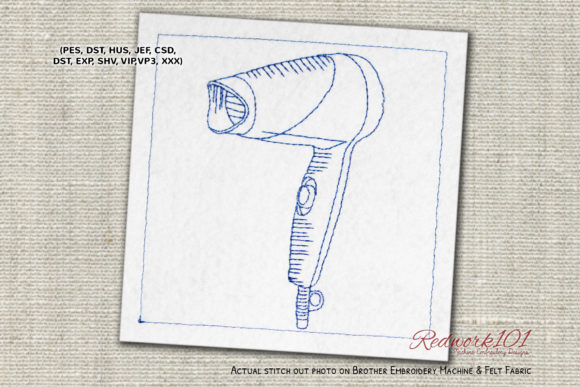
The initial glance at the Hair Dryer design reveals a charming blend of utility and whimsy. It does not strive for hyper-realism but rather captures the essence of the object in a way that feels sweet and slightly playful. For a designer, this balance is crucial. A design that is too complex can look cluttered on small items, while one that is too simple may lack the perceived value customers expect from a personalized gift.
The mood here is distinctly modern yet classic enough to fit into various decor styles. Whether intended for a bridal shower or a new home celebration, the design exudes a sense of everyday luxury. The lines are clean, suggesting that it will stitch out smoothly without excessive thread breaks. One notable feature mentioned in the product notes is the optional Box Stitch. This flexibility is a significant advantage. It allows us, as creators, to decide whether we want a framed look or a more floating, organic appearance. Furthermore, the note regarding the outer box color being different in most designs unless part of the design itself gives us control over contrast. We can skip the color directly if it clashes with our chosen fabric, offering a level of customization that clients love.
Versatility Across Product Lines
The true test of any digital embroidery file is its versatility. I immediately began brainstorming applications beyond the obvious. While the subject matter suggests bathroom linens, the charm of the Hair Dryer design extends far beyond towels.
- Wedding Gifts: Imagine this embroidered on a high-quality waffle-weave robe or a set of hand towels for a bridal suite. It serves as a subtle, humorous nod to the "getting ready" photos that are so popular in modern weddings.
- Baby Embroidery: For a baby shower, this could be adapted for a nursery theme, perhaps paired with other grooming items on a blanket or a burp cloth. The playful nature fits well with the innocence of baby embroidery projects.
- Tote Bags and Aprons: A canvas tote bag featuring this design makes for a fantastic stylist or salon owner gift. It transforms a standard item into a handmade product with professional relevance.
- Pillow Covers: A small accent pillow in a guest bathroom or powder room adds a touch of personality. The design scales well for smaller hoops, making it ideal for pillow cover applications.
For Etsy sellers and small shop owners, this versatility means you can create multiple listings from a single purchase, maximizing your return on investment. It appeals to the customer who values unique, custom embroidery over mass-produced decor.
Navigating Technical Challenges
While the design is appealing, practical application requires attention to detail. Not every fabric behaves the same way, and understanding where the Hair Dryer design might face challenges is key to maintaining quality.
Fabric Texture and Thickness: Bath towels are notoriously difficult to embroider due to their looped pile. If you are creating an embroidered towel, you must use a strong cut-away stabilizer to prevent the design from sinking into the fibers. The stitch density of this design appears moderate, which is good, but on thick terry cloth, you may need to float the towel rather than hoop it directly to avoid distortion.
Small Details and Lettering: If you plan to add names or dates alongside the graphic, be cautious. Small lettering near detailed graphics can get lost, especially on textured fabrics. Always run a test stitch on scrap fabric that matches your final product. This is non-negotiable for professional results.
Dark Fabrics: The design relies on clear outlines. On dark fabrics, ensure your thread colors have sufficient contrast. If the outer box is skipped, make sure the main elements still stand out. A printable mockup can help visualize this, but nothing replaces a physical test stitch.
Stretchy Materials: For baby clothes or stretchy tote bags, the stability of the hoop is critical. Use a tear-away stabilizer for woven fabrics but switch to cut-away for knits to ensure the finished product retains its shape after washing.
Enhancing Perceived Value and Giftability
Why does this design work for gifts? It creates an emotional connection. A generic towel is just a towel. An embroidered towel with a cute, relevant motif becomes a wedding gift or a housewarming present that feels thoughtful. It signals that the giver put effort into selecting something unique.
For small business owners, this translates to higher perceived value. Customers are willing to pay more for items that look professionally crafted. The clean lines of the Hair Dryer design contribute to a high-quality appearance. When photographed well, these items drive buyer engagement on social media and marketplaces. The design acts as a visual hook, drawing the eye and inviting the customer to imagine the item in their own home.
Moreover, offering commercial embroidery rights allows you to build a brand around such designs. Consistency in quality builds customer trust. When a buyer receives a product that looks exactly like the photos, with neat stitches and no loose threads, they are likely to return for future purchases.
Practical Production Notes for Makers
Before you list this item in your shop, follow these essential steps to ensure success:
- Check the License: Confirm the commercial licensing terms provided with the embroidery file. Ensure you are compliant before selling any finished product.
- Test Stitch Density: Run the design on a similar fabric to your final product. Check for puckering or thread breaks. Adjust tension if necessary.
- Confirm Hoop Size: Verify the required hoop size. The product description does not specify exact dimensions, so check the file details in your software. Ensure your hoop can accommodate the design plus any added personalization.
- Select Proper Stabilizer: Match the stabilizer to the fabric. Water-soluble topping may be needed for fluffy towels to keep the stitches on top of the loops.
- Review Thread Colors: Compare light and dark fabric mockups. Choose thread colors that complement the fabric while ensuring the design remains visible.
- Inspect Small Details: After stitching, check the smallest elements. Are they clear? Do they pull away? This quality control step is vital for maintaining a professional reputation.
In conclusion, the Hair Dryer design is a versatile and charming addition to any embroidery library. It bridges the gap between functional bathroom accessories and sentimental keepsakes. By paying attention to fabric choices, stabilization, and presentation, you can transform this digital file into a best-selling small shop product. Whether for a bride, a new homeowner, or a salon enthusiast, this design offers the perfect blend of practicality and heart, making it a worthy candidate for your next collection of personalized treasures.