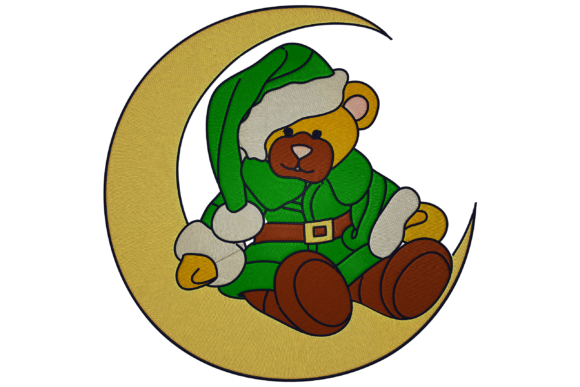
Little Bear on the Moon: A Designer’s Review
As an embroidery designer who spends countless hours digitizing and testing files for commercial use, I have developed a keen eye for what makes a machine embroidery design truly viable for small business owners. It is not just about how cute the preview image looks; it is about stitch quality, density management, and versatility across different fabrics. Recently, I evaluated Little Bear on the Moon from Creative Fabrica to determine if it meets the rigorous standards required for professional handmade products. This review breaks down the aesthetic appeal, technical performance, and commercial potential of this specific design.
First Impressions and Visual Mood
The immediate appeal of Little Bear on the Moon lies in its serene and whimsical atmosphere. The composition captures a sleepy, lovely touch that is incredibly versatile for nursery decor and cozy home goods. Visually, the design balances soft curves with defined outlines, creating a gentle silhouette that reads well even from a distance. For designers working within the Teddy Bears niche, this piece stands out because it avoids overly complex shading that can often look messy when stitched out on textured materials.
The decorative appeal is subtle yet impactful. It does not rely on excessive detail that might compromise structural integrity during washing. Instead, it uses clean lines and balanced negative space. This makes it an ideal candidate for projects where simplicity enhances the overall aesthetic, such as minimalist baby blankets or modern nursery wall hangings. The mood is calm and inviting, which is precisely what customers look for when purchasing personalized gifts for newborns or young children.
Performance on Real-World Projects
To assess the true value of this embroidery file, I considered how it would perform on various substrates commonly used in commercial embroidery. The description notes that it stitches beautifully onto bed sheets, blankets, and pillows, but its potential extends far beyond bedding.
- Custom Apparel: The design scales well for sweatshirt embroidery. When placed on the left chest of a hoodie or the back of a crewneck, the bear motif adds a charming focal point without overwhelming the garment.
- Tote Bags and Canvas: For a tote bag design, the contrast of the thread against natural canvas creates a rustic, handmade look. The stitch paths appear stable enough to withstand the tension of heavy canvas fabric.
- Kitchen Towels and Aprons: These items require designs that can endure frequent washing. The compact nature of Little Bear on the Moon suggests it would hold up well on terrycloth or cotton twill, provided the correct stabilizer is used.
- Embroidered Patches: This design is a strong contender for iron-on or sew-on patches. Its contained shape allows for easy merrowed edges or satin stitch borders, making it a profitable addition to an Etsy shop selling accessories.
For those creating seasonal handmade gifts, this design fits perfectly into autumn and winter collections. It pairs wonderfully with warm color palettes, such as mustard yellows, deep blues, and soft creams. When used in boutique merchandise, it adds a layer of perceived value through its professional finish and emotional resonance.
Technical Considerations for Stitching
While the visual preview is promising, experienced crafters know that technical execution is where challenges arise. Here are critical factors to consider before loading this digital embroidery file into your machine.
Fabric and Stabilizer Selection
The success of any applique design or standard fill depends heavily on the foundation. For stretchy fabrics like jersey knits used in baby onesies, a cut-away stabilizer is non-negotiable to prevent puckering. If you are stitching on woven fabrics like pillow covers or aprons, a tear-away stabilizer may suffice, but testing is essential. The stitch density appears moderate, but dense areas around the bear’s features could pull on lightweight fabrics if not properly supported.
Hoop Size and Placement
One of the advantages of this design is its likely compatibility with smaller hoop sizes. This makes it accessible for users with entry-level machines. However, always confirm the specific dimensions on the product page. If you are placing this on curved surfaces, such as caps, ensure the design is centered correctly to avoid distortion. The rounded elements of the moon and bear should flow with the curve of the cap rather than fighting against it.
Thread Colors and Contrast
Thread choice dramatically alters the final look. On dark fabrics, using lighter thread colors for the bear will make the design pop, but you must ensure there is sufficient underlay to prevent the background fabric from showing through. Conversely, on light fabrics, darker threads provide definition. I recommend creating a printable mockup or doing a test stitch on scrap fabric to check thread color contrast before committing to a final product. Inspect small details after stitching to ensure that fine lines, such as the bear’s facial features, are crisp and not buried by surrounding fill stitches.
Commercial Value and Brand Consistency
For creative entrepreneurs and digital product sellers, the right design assets can elevate a brand. Little Bear on the Moon offers a cohesive look that can be repeated across multiple product lines, fostering brand consistency. Whether you are selling finished products on Etsy or offering custom apparel services, this design contributes to buyer trust. A well-stitched, professional-looking item encourages positive reviews and repeat customers.
The giftability factor is high. Items featuring this design feel personal and thoughtful, which justifies a higher price point in the handmade market. Furthermore, the visual appeal translates well to product photography. The clear shapes and emotive subject matter photograph beautifully, helping your listings stand out in crowded online marketplaces. Customer engagement often increases when products evoke an emotional response, and the sleepy, lovely nature of this bear does exactly that.
Practical Steps Before You Stitch
Before integrating Little Bear on the Moon into your workflow, take these practical steps to ensure quality results:
- Verify File Details: Check the Creative Fabrica product page for available formats (such as PES, DST, JEF) to ensure compatibility with your specific machine.
- Review Licensing: Confirm the license terms regarding commercial use. Most Creative Fabrica embroidery designs allow for physical sales, but it is crucial to read the specific agreement to protect your business.
- Test on Scrap Fabric: Always run a test stitch on the same type of fabric you intend to use for the final product. This helps identify any issues with stitch density or registration.
- Check Thread Tension: Adjust your machine tension if necessary, especially when switching between different thread weights or fabric types.
- Inspect Finished Quality: After stitching, trim all jump stitches carefully and inspect the back of the hoop to ensure no loose threads remain that could unravel during washing.
In conclusion, Little Bear on the Moon is a promising addition to any embroidery designer’s library. Its blend of aesthetic charm and practical applicability makes it suitable for a wide range of commercial embroidery projects. By paying attention to stabilizer choices, thread contrasts, and fabric types, you can transform this digital asset into high-quality handmade products that resonate with customers. Whether you are creating nursery decor, custom apparel, or unique gifts, this design offers the versatility and professionalism needed to succeed in the competitive handmade marketplace.