Stegosaurus in the Jungle Redwork Review
As an embroidery designer who has spent years digitizing and testing files for commercial use, I approach every new machine embroidery design with a critical eye. It is not just about whether the image looks cute on a screen; it is about how that design performs when stitched out on real fabric, under the stress of daily wear, and within the context of a brand’s visual identity. Recently, I reviewed Stegosaurus in the Jungle Redwork, a piece from the Wild Animals category, to determine its viability for small business merchandise and branded applications. This review focuses on practical application for embroidery shops, apparel decorators, and handmade brands looking to expand their product lines.
First Impressions and Visual Personality
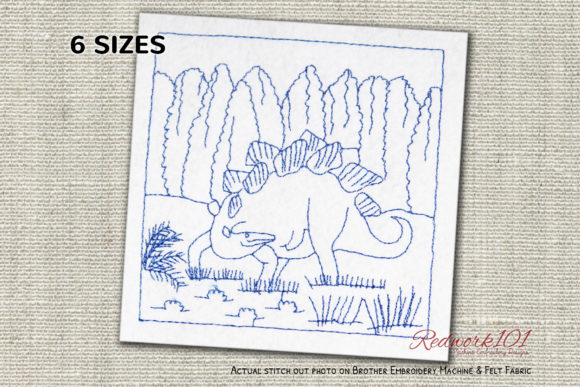
The immediate appeal of Stegosaurus in the Jungle Redwork lies in its simplicity and nostalgic charm. Redwork is a classic technique that relies on single-color stitching, often evoking a sense of heritage, rustic elegance, and handmade authenticity. For a small business owner, this aesthetic is powerful. It does not scream "mass-produced"; instead, it whispers "crafted with care." The subject matter—a Stegosaurus—adds a layer of playful whimsy. This combination makes the design feel both professional and approachable. It is bold enough to be recognized from a distance yet delicate enough to serve as a subtle accent on high-end goods.
When evaluating the visual personality, I see a design that bridges the gap between child-friendly fun and adult-oriented vintage style. This versatility is crucial for small business merch. It allows a brand to target multiple demographics without changing their core aesthetic. Whether used for a children’s boutique or a hipster café, the design maintains a consistent tone of friendly sophistication.
Real-World Business Applications
The true test of any digital embroidery file is its adaptability across various products. Here is how Stegosaurus in the Jungle Redwork performs in specific commercial scenarios:
- Embroidered Patches: This is perhaps the strongest use case. The clean lines of redwork translate beautifully into iron-on or sew-on patches. These can be sold as standalone accessories or used to customize denim jackets and backpacks. The optional box stitch mentioned in the description provides a finished border, which is essential for patch durability and clean cutting.
- Apron Embroidery: For bakeries, florists, or craft studios, branding on aprons is a moving billboard. Stitching this dinosaur on the chest pocket or lower corner of a canvas apron adds a unique signature. The single-color nature of redwork ensures it does not clash with the varied colors of ingredients or flowers handled by staff.
- Cap Embroidery: Placing the design on the front panel of a dad hat or trucker cap creates a trendy, low-profile look. However, curvature is a factor. The design must be scaled correctly to avoid distortion on the curved surface of the cap.
- Tote Bag Design: Canvas tote bags are staples for eco-conscious brands. A large-scale version of this Stegosaurus can serve as the primary graphic, while a smaller version works well as a corner detail. The contrast of red thread against natural cotton canvas is visually striking and highly marketable.
- Staff Uniforms and Work Shirts: For creative agencies or educational centers, this design can be embroidered on polo shirts or chambray work shirts. It humanizes the brand, making staff appear approachable and creative.
Strategic Placement and Technical Considerations
While the design is versatile, there are areas where caution is required. As a designer, I always advise testing the limits of a file before committing to a large production run. The description notes that the box stitch is optional and that the outer box color may vary. This flexibility is a double-edged sword. If you skip the box, you must ensure the edges of the redwork are secure and do not unravel, especially on items that undergo frequent washing.
Stitch density is another critical factor. Redwork typically uses lower density than fill-stitch designs, which is great for preventing puckering on lightweight fabrics. However, on textured fabric or heavy denim, you must choose the right stabilizer. A cut-away stabilizer is often recommended for garments that will be washed repeatedly, while tear-away might suffice for decorative home goods that see less wear.
Be mindful of size constraints. If you intend to use this as a tiny label on a jewelry pouch or a small tag on a handmade product, ensure the details of the Stegosaurus plates and legs remain distinct. At very small sizes, intricate outlines can merge, losing the definition that makes the design recognizable. Always create a printable mockup at the intended size to check for clarity before stitching.
Impact on Brand Identity and Customer Trust
Incorporating Stegosaurus in the Jungle Redwork into your product line does more than just decorate an item; it strengthens your brand identity. Consistency in visual assets builds trust. If your brand values creativity, nostalgia, and quality, this design reinforces those messages. Customers associate the precision of machine embroidery with professionalism, while the choice of a whimsical subject matter suggests a brand that does not take itself too seriously.
For Etsy sellers and crafters, offering customized items with this design can increase buyer engagement. Personalization options, such as adding a name below the dinosaur in a matching redwork font, can significantly boost perceived value. It transforms a standard finished product into a keepsake. Furthermore, using a cohesive set of design assets, including this Stegosaurus motif across packaging, social media graphics, and physical products, creates a memorable unboxing experience that encourages repeat business.
Practical Designer Notes for Production
Before you purchase the embroidery file or begin production, consider these practical steps to ensure success:
- Test in Black and White First: Since redwork is monochromatic, test the design in black thread on white fabric. This reveals any gaps or alignment issues most clearly. If it looks good in high-contrast black and white, it will likely look good in any color.
- Check Thread Color Contrast: While red is traditional, consider your brand palette. Does navy blue or forest green work better for your specific merchandise? Ensure the thread color contrasts sufficiently with the fabric color.
- Confirm Hoop Size: The product description does not specify exact dimensions. You must verify the hoop size required for the design. Ensure your machine can accommodate the necessary hoop, especially if you plan to stitch larger versions for tote bags.
- Review Commercial Licensing: Always confirm the license terms included with the digital file. Ensure you have the right to use the design for commercial embroidery projects, especially if you plan to sell thousands of units.
- Inspect Spacing and Jump Stitches: Open the file in your editing software to check for excessive jump stitches. Trimming these cleanly is vital for a professional finish, particularly on patches where the back might be visible or felt-lined.
- Create Client Mockups: If you are doing custom work for a client, present a digital mockup showing the Stegosaurus on their specific garment type. This manages expectations and reduces the risk of dissatisfaction with placement or scale.
In conclusion, Stegosaurus in the Jungle Redwork is a strong contender for small businesses looking to add character to their merchandise. Its blend of classic technique and playful subject matter offers wide appeal. By paying attention to technical details like stabilizer choice, stitch density, and placement, you can leverage this design to create high-quality, branded products that resonate with customers. Whether for a boutique, a café, or an online craft store, this design serves as a versatile tool in your creative arsenal.