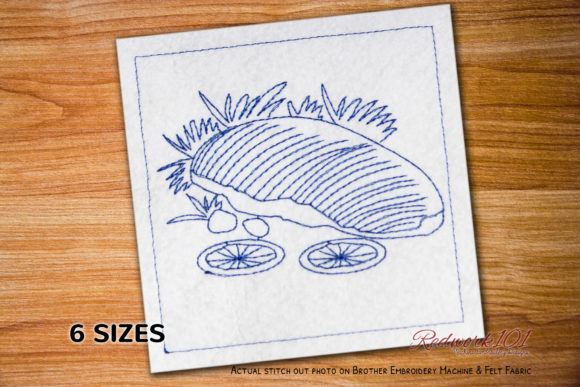
Venison Meat Embroidery: A Designer’s Review
As an experienced embroidery designer who has spent countless weekends behind a craft fair table, I know that not every design translates into a bestseller. Some designs are technically impressive but fail to catch the eye of a passing shopper. Others are simple, bold, and practically sell themselves. Today, I am reviewing Venison Meat, a machine embroidery design that targets a specific, passionate niche within the Food category. If you are an Etsy seller, a boutique maker, or a creative entrepreneur looking to expand your handmade product line, this review will help you determine if this design belongs in your digital embroidery file library.
First Impressions: Rustic Appeal and Visual Clarity
The first thing I look for in a new design is immediate readability. When I visualize Venison Meat on a display table, it screams rustic, outdoorsy, and authentic. This is not a delicate, floral motif; it is a statement piece for hunters, hikers, and those who appreciate farm-to-table living. The design feels bold and grounded. For a craft fair booth, this is crucial. Shoppers scan tables quickly, and a design with strong thematic identity stops them in their tracks.
The description notes that the Box Stitch shown in promotional pictures is optional. This is a significant feature for us as producers. It means the core of the design—the text and primary imagery—can stand alone without a rigid border, offering flexibility in placement. However, the note that the color of the outer box is different in most designs unless part of the design itself suggests we must be careful with thread colors. If you choose to include the box, ensure it contrasts well with your fabric. If you skip it, as the instructions suggest is possible, you gain a more modern, minimal look that works beautifully on textured fabrics.
Product Applications: Where Venison Meat Shines
To maximize sales, you must pair the right design with the right blank. Here is how I see Venison Meat performing across various small shop products:
- Apron Embroidery: This is arguably the strongest candidate. A heavy canvas or denim apron featuring this design appeals directly to the home cook who processes their own game or loves rustic cooking. The design acts as a badge of honor in the kitchen.
- Tote Bag Design: A natural cotton tote with this embroidery makes for an excellent market bag. It is practical, durable, and serves as walking advertising for your brand. Ensure the hoop size is large enough to keep the lettering legible from a distance.
- Tea Towel Embroidery: Kitchen towels are impulse buys at craft fairs. Because towels have a loose weave, you must check the stitch density. If the design is too dense, it will pucker the fabric. Use a cut-away stabilizer to maintain structure.
- Embroidered Patch: Creating iron-on or velcro patches allows customers to customize their own gear. This is a high-margin item. The bold lines of the design should translate well to a patch format, provided the details are not too tiny.
- Caps and Hats: Curved surfaces are tricky. If you embroider this on a cap, ensure the design is not too wide, or it will distort around the seam. A smaller version of the design, perhaps without the optional box, would work best here.
Production Practicalities for the Busy Maker
When preparing for a weekend craft fair, batch production is key. You do not want to spend twenty minutes hooping and trimming a single item. Venison Meat appears to be a design that favors efficiency. Since the outer box is optional, you can streamline your process by omitting it for faster run times on simpler items like tea towels.
However, there are careful-use notes to consider. Always test the design on scrap fabric before committing to your final inventory. Check thread contrast meticulously. If you are stitching on dark fabric, such as navy or black canvas, you will need high-visibility thread colors. Conversely, on light linen, earth tones like forest green, burnt orange, or deep brown will enhance the rustic aesthetic.
Fabric texture plays a major role in the finished product. On thick, textured towels, small lettering can get lost. If the design includes fine details, consider increasing the size or simplifying the thread path. For commercial embroidery purposes, consistency is vital. Ensure your stabilizer choice matches the fabric weight. A tear-away might suffice for stable cottons, but a cut-away is safer for stretchy knits or loose-weave linens.
Visual Appeal and Customer Engagement
Why does this design work? It taps into a lifestyle. Customers are not just buying an embroidered item; they are buying into an identity. The Venison Meat design signals self-sufficiency, tradition, and a love for the outdoors. This emotional connection drives buyer engagement.
In terms of visual appeal, the design likely serves as a focal point. It is not a background filler. This means it commands attention. When photographing for your Etsy listings or creating a printable mockup, style the product with complementary rustic elements—wooden cutting boards, cast iron skillets, or fresh herbs. This context helps the customer visualize the item in their own home.
Brand consistency is another factor. If your shop specializes in farmhouse or outdoor-themed goods, this design fits seamlessly. If your brand is modern and minimalist, you might need to adjust the thread colors to monochrome to make it fit. The flexibility of the optional box allows you to tweak the vibe from traditional to contemporary.
Designer Notes: Before You Sell
Before you list this as a finished product or include it in a bundle of design assets, take these steps:
- Verify Licensing: Confirm commercial licensing terms. As a digital seller or manufacturer of physical goods, you must ensure you have the right to sell items made with this machine embroidery design.
- Check File Formats: Ensure you have the correct file format for your machine. While the prompt does not specify exact formats, always have backups in multiple formats if possible.
- Test Hoop Size: Determine the minimum hoop size required. If the design is large, you may need a 5x7 or larger hoop. Plan your inventory accordingly.
- Inspect Stitch Density: Run a test stitch out. Look for pulls or puckers. Adjust tension if necessary. A clean finished product reflects professional quality.
- Create Real Mockups: Do not rely solely on digital renderings. Photograph the actual embroidered item. Customers trust real photos over perfect digital simulations.
In conclusion, Venison Meat is a strong contender for your next craft fair lineup. It is targeted, visually distinct, and versatile across several popular handmade product categories. By paying attention to fabric choice, thread contrast, and production efficiency, you can turn this digital embroidery file into a profitable staple of your small shop product range. Remember, the key to success in handmade markets is not just the design itself, but how well you present it to the right audience.