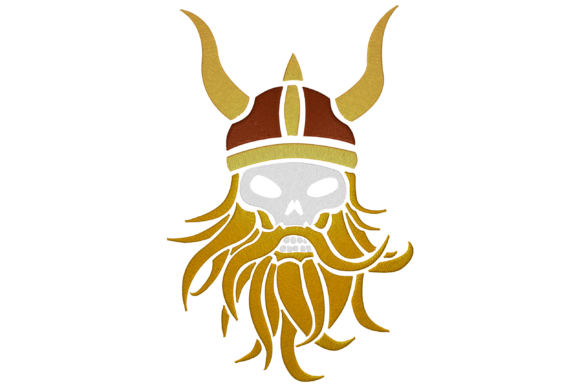
Viking Embroidery Design: A Craft Fair Review
As an embroidery designer who has spent countless weekends standing behind booth tables, watching potential customers walk by, I have learned that not every digital file translates into a bestseller. When I first loaded the Viking machine embroidery design onto my hoop, I was looking for more than just clean stitches. I was looking for a product that would stop traffic at a busy handmade market. This review breaks down how this specific design performs in the real world of craft fair sales, Etsy listings, and boutique production.
First Impressions and Visual Impact
The title Viking immediately sets a tone. It suggests strength, heritage, and boldness. In the context of the Military category, this design likely carries a rugged, historical, or tactical aesthetic rather than a soft, farmhouse vibe. For a craft fair seller, this is crucial. You need designs that communicate their theme instantly. A customer walking past your table has only seconds to decide if your booth interests them. The Viking design, with its implied bold lines and strong presence, serves as an excellent anchor for a display targeting buyers who appreciate history, strength, or unique cultural motifs.
When evaluating the visual appeal, consider how the design reads from three feet away. Does it look like a muddy blob, or can you distinguish the shapes? High-quality embroidery designs must maintain clarity. If the Viking motif relies on intricate details, it may struggle on textured fabrics. However, if it uses bold outlines and solid fills, it becomes a powerful focal point for items like tote bags and pillow covers.
Product Versatility for Handmade Markets
One of the strongest assets of the Viking embroidery file is its availability in six sizes. This versatility is a game-changer for small shop owners who need to maximize their inventory without buying dozens of different designs. Here is how I envision using this design across various craft fair products:
- Tote Bag Design: A large version of the Viking design centered on a canvas tote creates an immediate statement piece. Canvas holds dense stitches well, making it ideal for bold graphics.
- Apron Embroidery: Placing a medium-sized version on the bib of a heavy-duty denim or canvas apron adds value. It transforms a utility item into a themed gift for chefs or history enthusiasts.
- Tea Towel Embroidery: Use caution here. Tea towels have a loose weave. If the Viking design has fine details, they may get lost. Stick to the smaller sizes and ensure you use a cut-away stabilizer to prevent puckering.
- Embroidered Patch: This is perhaps the most profitable application. Patches are low-commitment purchases for customers. A Viking patch on felt or twill backing sells quickly as an accessory for jackets and bags.
- Caps and Hats: Curved surfaces are tricky. If the design is wide, it may distort on a standard cap. Check the width of the largest size against your hoop capabilities. A smaller, simplified version works best for headwear.
- Pillow Covers: A high-quality embroidery design shines on home decor. A Viking motif on a neutral linen pillow cover appeals to buyers looking for rustic or masculine decor accents.
Production Practicality and Stitch Density
From a production standpoint, time is money. When preparing for a weekend craft fair, you need designs that are reliable. The description notes that this is a high-quality embroidery design, which usually implies optimized stitch paths. However, you must check the stitch density yourself. Dense areas can cause needle breaks or fabric distortion, especially on thinner materials like t-shirts or sweatshirts.
If you are embroidering on dark fabric, thread colors become critical. A Viking design likely benefits from high-contrast threads. Metallics can add a premium feel but may increase breakage rates. Test your thread choices on scrap fabric before committing to your final inventory. Always inspect the spacing between elements. If the design has tiny lettering or close-proximity details, ensure they do not merge during stitching. This is particularly important for commercial embroidery where consistency is key.
Selling Strategy and Customer Engagement
For Etsy sellers and digital sellers, the visual presentation is everything. The Viking design needs to be showcased in a way that highlights its texture and quality. Create a printable mockup that shows the design on multiple products. Show it on a rugged leather journal, a sturdy backpack, and a soft fleece blanket. This helps customers visualize the end result.
In a physical booth, use the design to create a cohesive theme. Group your Viking-embroidered items together. Use signage that explains the inspiration behind the design. Buyers engage more with products that have a story. Explain why this Military-inspired or historical motif matters. Is it about protection? Heritage? Strength? Connecting the emotional value to the finished product increases perceived value.
Technical Considerations for Best Results
Before you launch your campaign, keep these technical notes in mind:
- Stabilizer Selection: Match the stabilizer to the fabric. Use tear-away for stable woven fabrics like cotton twill, and cut-away for stretchy knits or loose weaves like towels.
- Hoop Size: Confirm which of the six available sizes fits your hoop. Do not assume all sizes will fit standard frames. Measure twice.
- Fabric Texture: Avoid using highly textured fabrics like boucle or thick terrycloth for detailed parts of the design. The texture will hide the stitches.
- Commercial Licensing: Always confirm the license terms included with your digital embroidery file. Ensure you are allowed to sell finished products made with this design. Most designers allow it, but some restrict mass production.
Final Verdict for Craft Entrepreneurs
The Viking embroidery design offers a strong foundation for a niche product line. Its bold nature makes it stand out in a sea of floral and cute animal designs commonly found at craft fairs. By leveraging the six available sizes, you can create a diverse range of items from small patches to large pillow covers. Focus on high-contrast thread colors and sturdy fabrics to let the design shine. Whether you are an experienced embroidery business owner or a new creative entrepreneur, this design has the potential to become a staple in your inventory if produced with care and marketed with a clear story. Remember, the key to selling handmade products is not just the design itself, but how well you execute it and present it to your audience.