Camera Tripod Lineart: A Designer’s Practical Review
As an embroidery designer who spends more time staring at digitized files than I do sleeping, I have learned to look past the glossy preview images. What matters is how a design behaves under the needle. When I first pulled up the Camera Tripod Lineart file, my initial reaction was one of appreciation for its simplicity. In a market saturated with overly complex, dense designs that chew through thread and time, this piece stands out for its clean, minimalist aesthetic. It belongs firmly in the Work category, appealing to photographers, videographers, and content creators who value precision and equipment.
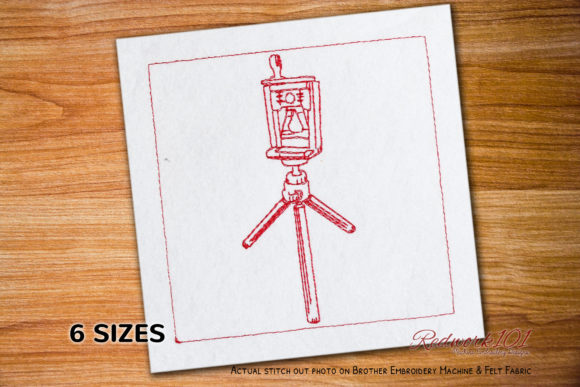
The design features a stylized tripod, rendered primarily in line work. One specific detail caught my eye immediately: the optional Box Stitch. The product description notes that the color of the outer box is often different or can be skipped entirely. This flexibility is crucial. It tells me that the digitizer understood that not every project needs a bounding frame. For a modern, sleek look on a tote bag or a tech accessory pouch, skipping the box allows the tripod icon to breathe. It transforms the piece from a "patch-like" emblem into a sophisticated graphic element.
Real-World Application: The Photographer’s Tote
To truly evaluate this machine embroidery design, I imagined a real-life scenario. I recently consulted for a local photography studio looking to create branded merchandise for their clients. They wanted something subtle, professional, and durable. We considered placing the Camera Tripod Lineart on heavy canvas tote bags. This is a classic use case for Embroidery in the commercial sector.
On a textured canvas, line art can sometimes get lost if the stitch density is too low or if the thread color lacks contrast. However, because this design relies on clear, distinct lines rather than dense fill stitches, it holds up remarkably well. I visualized using a thick, matte polyester thread in a charcoal gray against a natural beige canvas. The result would be understated yet instantly recognizable. It avoids the "cheap souvenir" look that plagues many custom apparel projects. Instead, it feels like a boutique product, something a serious hobbyist or professional would proudly carry to a shoot.
Performance on Various Fabrics and Hoops
Versatility is the hallmark of a good digital embroidery file. I evaluated how Camera Tripod Lineart would perform across different mediums. For custom apparel, such as a black crewneck sweatshirt, the design shines. Sweatshirts provide a stable, slightly fuzzy surface that grips thread well. A satin stitch border around the tripod legs could add definition, but the pure line work approach likely uses running stitches or narrow satin columns. This keeps the garment flexible and comfortable, avoiding the stiff, cardboard-like feel that dense fill stitches create on soft fabrics.
However, caution is needed when working with stretchy or thin fabrics. If you plan to use this on a lightweight t-shirt or a baby onesie, the stability of the fabric becomes a concern. Without proper stabilization, the tension of the stitches might cause puckering, especially at the junction points where the tripod legs meet the center column. I always recommend testing the design on scrap fabric first. Use a cut-away stabilizer for knits to ensure the design remains crisp after washing. For woven fabrics like aprons or kitchen towels, a tear-away stabilizer is usually sufficient, provided the stitch density isn't excessive.
Curved surfaces present another challenge. Embroidering this on a cap requires careful hooping. The tripod’s vertical lines must align perfectly with the cap’s center seam to avoid distortion. If the design is too wide for the available hoop size, it may need resizing. Always check the dimensions of the embroidery file against your machine’s maximum hoop capacity before purchasing. Shrinking a design too much can cause stitch overlap and thread breaks, while enlarging it too much can reveal gaps between stitches.
Visual Appeal and Brand Consistency
For Etsy sellers and small shop owners, visual consistency is key to building trust. Camera Tripod Lineart offers a neutral, professional vibe that fits seamlessly into a broader brand identity. It doesn’t scream for attention; instead, it complements it. This makes it an excellent choice for personalized gifts where the recipient’s name might be added below or beside the icon. The clean lines provide ample negative space, allowing for easy integration with text without creating a cluttered composition.
When creating printable mockups for your online store, this design renders beautifully. Its simplicity translates well to digital previews, helping potential customers visualize the finished product. Whether you are selling embroidered patches, laptop sleeves, or camera straps, the tripod motif signals quality and professionalism. It appeals to a niche audience that values their craft, making it a powerful tool for buyer engagement. A well-executed embroidery project using this design can elevate the perceived value of the item, justifying a higher price point in your craft business.
Technical Considerations for Designers
From a technical standpoint, there are a few things to keep in mind. The description mentions that the outer box color can be skipped. This implies that the file may have multiple color stops or layers. Before stitching, inspect the color sequence in your embroidery software. Ensure that the jump stitches between the tripod and the optional box are trimmed or managed correctly to minimize loose threads on the back of the fabric. Clean backsides are a mark of professional commercial embroidery.
Thread color contrast is vital. Since this is line art, the difference between the thread and the fabric must be distinct. On dark fabrics, use light or metallic threads to make the design pop. On light fabrics, dark or vibrant colors work best. Avoid using threads with similar tones to the background, as the subtle details of the tripod legs might disappear. Also, consider the sheen of the thread. A high-sheen rayon thread can add a touch of elegance, while matte cotton thread offers a rustic, handmade feel suitable for farmhouse-style decor or casual wear.
Finally, always confirm the licensing terms. While many digital embroidery files allow for commercial use on finished physical products, restrictions may apply to reselling the digital file itself or using it in mass-produced items beyond a certain quantity. As a responsible creator, verifying these details protects your small shop product line and ensures you are respecting the digitizer’s work.
Final Verdict
Camera Tripod Lineart is a solid addition to any designer’s library, particularly for those targeting the photography and creative professional markets. Its strength lies in its adaptability and clean execution. It works well on sturdy fabrics like canvas and denim, performs adequately on knits with proper stabilization, and offers a modern aesthetic that appeals to contemporary tastes. By paying attention to hoop size, stabilizer choice, and thread contrast, you can produce high-quality finished products that enhance your brand’s reputation. It is a practical, reliable design that respects the material and the maker.