Nurse Boy Checkup Machine: A Designer’s Review
As an embroidery designer who has spent years digitizing and testing files for small business merchandise, I approach every new machine embroidery design with a critical eye. It is not just about whether the image looks cute on a screen; it is about how that design translates into thread, how it holds up on fabric, and ultimately, how it serves the brand identity of the client using it. Today, I am reviewing the Nurse Boy Checkup Machine design, specifically evaluating its potential for work uniforms, branded patches, and small business merch.
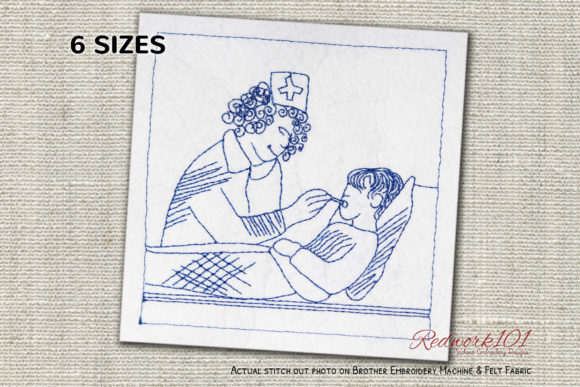
The first impression of the Nurse Boy Checkup Machine is one of approachable professionalism mixed with a touch of whimsy. In the world of healthcare and caregiving branding, there is a delicate balance to strike. You want to convey trust and competence, but you also want to appear friendly and accessible, especially if your target audience includes children or families. This design leans into that friendly aesthetic. It feels playful yet structured, making it an excellent candidate for boutique medical offices, pediatric clinics, or even themed apparel for nursing students. However, its utility extends beyond healthcare. The visual language of a "checkup" can be metaphorically applied to any service-based business that prides itself on care, attention to detail, and thoroughness.
Real-World Applications for Small Business Merch
When I evaluate a digital embroidery file for commercial use, I immediately start visualizing where it will live on a physical product. For the Nurse Boy Checkup Machine, the versatility is surprisingly high. Here is how I see this design performing in real business scenarios:
- Embroidered Patches: This is perhaps the strongest application. By treating the design as a standalone patch, businesses can create iron-on or sew-on badges for staff jackets or bags. The contained nature of the character allows for clean edges, which is crucial for patch durability.
- Staff Uniforms and Aprons: For cafes, boutiques, or clinics, placing this design on the chest pocket area of an apron or polo shirt creates an instant brand identifier. It adds a layer of personality to standard workwear, transforming a generic uniform into a piece of custom apparel that customers remember.
- Cap Embroidery: Caps are a staple of promotional merchandise. The compact footprint of this design makes it suitable for the front panel of a baseball cap. However, curvature is a factor I always warn clients about, which I will discuss in the technical notes below.
- Tote Bag Design: Eco-friendly tote bags are huge sellers for Etsy brands and local shops. Embroidering this character onto a canvas tote adds significant perceived value compared to a printed logo, positioning the item as a premium handmade product rather than a disposable giveaway.
The key to success here is consistency. If you are building a brand identity around care and service, this design acts as a visual anchor. It signals to the customer that your business is human-centric. Whether used for event merch, customer gifts, or daily staff wear, the Nurse Boy Checkup Machine reinforces a narrative of helpfulness and warmth.
Technical Considerations and Placement Strategy
While the aesthetic appeal is strong, the technical execution determines whether the finished product looks professional or amateur. One specific detail mentioned in the product description is that the Box Stitch shown in promotional pictures is optional. Furthermore, the color of the outer box often differs from the core design. As a designer, I advise skipping the outer box color unless it is integral to your specific branding palette. Removing unnecessary elements reduces stitch count and minimizes the risk of thread breaks or puckering, especially on smaller items.
Placement is critical. On curved surfaces like cap fronts, complex details can distort. I recommend testing the Nurse Boy Checkup Machine on a similar curved mockup before running a full production batch. If the design includes fine lines or tiny lettering, these may get lost or merge together when stitched out at a smaller scale. Always check the stitch density. High density can make fabric stiff and uncomfortable, which is a dealbreaker for wearable items like shirts or aprons that need to be worn for long shifts.
Fabric texture also plays a massive role. On smooth polos, the design will pop with clarity. On textured fabrics like terry cloth towels or heavy canvas totes, you may need to adjust your stabilizer choice. A cut-away stabilizer is generally recommended for garments that will undergo frequent washing, ensuring the design remains stable and does not pull away from the fabric over time. For caps, a stiff buckram backing is essential to maintain the shape of the embroidery.
Enhancing Brand Identity and Customer Trust
Why go through the trouble of embroidery instead of simple printing? The answer lies in perceived value and brand identity. An embroidered logo or character suggests permanence and quality. When a customer sees the Nurse Boy Checkup Machine stitched onto a tote bag or a nurse’s scrub top, they subconsciously associate that tactile quality with the reliability of the business itself. It builds trust.
For handmade brands and Etsy sellers, offering embroidered options allows for higher price points. It differentiates your products from mass-produced, printed alternatives. The thread colors you choose can further customize the experience. While sticking to brand colors is important for visual consistency, experimenting with contrasting thread colors can make the design stand out on dark uniforms or neutral backgrounds. Just ensure there is enough contrast for the details to remain visible from a distance.
Moreover, using this design across various touchpoints—such as on packaging accents, staff name tags, or loyalty cards—creates a cohesive brand ecosystem. It turns a simple transaction into a branded experience. Customers are more likely to engage with and share photos of high-quality, embroidered merchandise on social media, providing organic marketing for your small business.
Practical Designer Notes for Production
Before you load this digital embroidery file into your machine for a commercial order, follow these practical steps to ensure a flawless finished product:
- Test in Black and White First: Stitch out the design in monochrome to check for clarity. If the details are indistinguishable in black and white, they may get lost in color too. This helps identify issues with spacing and density without wasting colored thread.
- Verify Hoop Size and Fit: Confirm that the design fits comfortably within your chosen hoop size with adequate margin. Do not crowd the edges.
- Check Commercial Licensing: Always confirm the license terms associated with the file. Ensure you have the right to use the Nurse Boy Checkup Machine for commercial embroidery projects and selling finished goods.
- Create a Printable Mockup: Before stitching on expensive final garments, create a digital printable mockup or stitch out on scrap fabric of the same type. This allows you to show the client for approval and catch any errors early.
- Inspect Thread Color Contrast: Lay out your intended thread spools next to the fabric. Ensure the colors complement each other and provide sufficient contrast for the design elements to be readable.
- Use Proper Stabilizer: Match your stabilizer to the fabric. Knits need stretch support; wovens need tear-away or cut-away depending on the garment's life expectancy.
In conclusion, the Nurse Boy Checkup Machine is a versatile asset for small business owners in the healthcare, service, and creative sectors. It bridges the gap between professional branding and friendly engagement. By paying attention to technical details like stitch density, fabric texture, and placement, you can leverage this design to create high-value custom apparel and merchandise that strengthens your brand identity and delights your customers. Always prioritize quality control in your embroidery process to ensure that every stitched piece reflects the professionalism of your business.