Learjet 23 Redwork: A Designer’s Review
As an embroidery designer who has spent countless hours digitizing and testing files for boutique apparel, I approach every new machine embroidery design with a critical eye. It is not just about whether the file runs smoothly on the machine; it is about how that design translates into a tangible, sellable product. Recently, I had the opportunity to test the Learjet 23 Redwork for a limited-edition sweatshirt drop for a client’s small online shop. This review breaks down my experience, focusing on aesthetic appeal, technical execution, and commercial viability for Etsy sellers and apparel decorators alike.
First Impressions and Aesthetic Mood
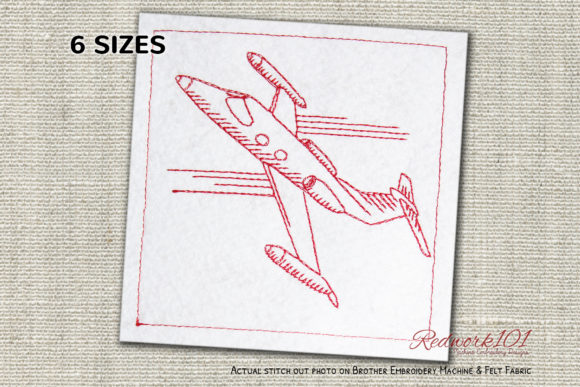
The moment I loaded the digital embroidery file, the clean lines of the Learjet 23 silhouette stood out. Redwork, by definition, relies on a single thread color—traditionally red, though modern interpretations vary—to create high-contrast, graphic imagery. For this project, the choice of a classic aviation icon like the Learjet 23 adds a layer of vintage sophistication. It feels less like a childish cartoon and more like a nod to mid-century industrial design.
The mood of this piece is distinctly minimal yet bold. It does not rely on heavy fill stitches or complex shading. Instead, it uses outline and satin stitches to define the aircraft’s sleek profile. For a boutique brand aiming for a "quiet luxury" or retro-cool aesthetic, this design hits the mark. It is decorative without being overwhelming, making it versatile enough for various demographics, from aviation enthusiasts to fashion-forward customers who appreciate subtle graphic elements.
Fabric Compatibility and Color Strategy
One of the most exciting aspects of working with Learjet 23 Redwork is its adaptability across different fabric textures and colors. In my test run, I evaluated how the design performed on several common sweatshirt embroidery bases.
- Neutral Sweatshirts: On heather grey or oatmeal-colored fleece, the redwork pops beautifully. The contrast is sharp, allowing the details of the jet’s wings and fuselage to remain readable even from a distance.
- Dark Fabric: When stitched on navy or black hoodies, traditional red thread can sometimes get lost if the lighting is poor. However, because this is a line-art style design, increasing the stitch width slightly or choosing a brighter crimson thread can maintain visibility. Alternatively, switching to white or gold thread for a monochromatic look on dark fabric creates a stunning, premium effect.
- Pastel Colors: For spring collections, pairing this design with blush pink or mint green hoodies offers a playful, feminine twist. The aviation theme becomes softer and more whimsical, appealing to a different segment of the handmade product market.
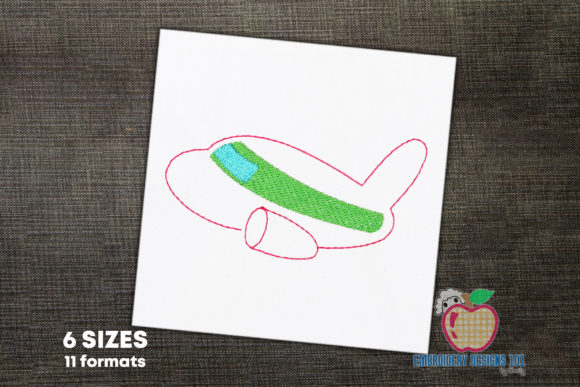
The product description notes that the box stitch shown in promotional pictures is optional. This is a crucial detail for designers. If you are aiming for a framed, patch-like appearance, keeping the outer box adds structure. However, skipping the box color allows the design to float freely on the garment, which often looks more integrated and high-end on oversized apparel. I recommend testing both versions to see which aligns better with your brand identity.
Technical Execution and Stitch Quality
From a technical standpoint, the stitch density of this design appears well-balanced for medium-weight fabrics. Since it is primarily redwork, there is minimal pull on the fabric, which reduces the risk of puckering—a common concern with heavier fill designs. However, the stability of the final product still depends heavily on your choice of stabilizer.
For fleece and terry cloth sweatshirts, I strongly recommend using a cut-away stabilizer. While tear-away might seem convenient, the stretchiness of knit fabrics requires the permanent support of a cut-away to ensure the design remains crisp after multiple washes. The hoop size required for this design is relatively small, which is advantageous. It allows for flexible placement options, such as the left chest, sleeve accents, or even near the hem for a unique, asymmetrical look.
One practical concern for any commercial embroidery project is readability at smaller sizes. Because the Learjet 23 has distinct features like the tail fin and engine nacelles, the design holds up well even when scaled down. However, always check the minimum recommended size provided by the digitizer. If you plan to use this as a tiny logo on a cuff, ensure the smallest details do not merge together during stitching.
Placement Ideas for Boutique Merchandise
Versatility is key when creating a small shop product line. Here is how I envision using Learjet 23 Redwork across different apparel items:
- Hoodie Chest Placement: The classic left-chest position works perfectly for a subtle, everyday look. It feels established and professional, ideal for customers who want understated branding.
- Sleeve Accents: Placing the design on the upper sleeve adds a sporty, dynamic vibe. This placement is trending in streetwear and can justify a higher price point due to the added labor and perceived value.
- Back Designs: While the design itself is compact, it can be part of a larger layout. For example, you could embroider the jet on the back yoke, paired with text below it. This creates a focal point without covering the entire back with heavy stitching, keeping the garment comfortable.
- Oversized Fits: On boxy, oversized hoodies, placing the design slightly lower on the torso or off-center can create a modern, editorial look that stands out in printable mockup previews and social media content.
Enhancing Brand Value and Customer Trust
Using a high-quality embroidery file like this directly impacts buyer trust. Customers associate clean, precise stitching with quality craftsmanship. When the finished product arrives with no loose threads, proper tension, and clear details, it reinforces the reputation of your custom apparel business.
Furthermore, the niche appeal of the Transportation category, specifically aviation, taps into a passionate community. By offering a design that respects the iconic shape of the Learjet 23, you attract buyers who value accuracy and style. This specificity helps in SEO and social media targeting, allowing your Etsy listing to reach users searching for pilot gifts, aviation decor, or retro travel apparel.
To maximize engagement, consider showcasing the design in lifestyle photography. Show the sweatshirt being worn in casual settings—coffee shops, airports, or cozy home environments. Highlight the texture of the thread against the fabric. These visual cues help customers imagine owning the item, increasing conversion rates.
Final Verdict for Creative Entrepreneurs
The Learjet 23 Redwork is a strong contender for any creative entrepreneur looking to expand their design assets. It bridges the gap between niche interest and broad fashion appeal. Its simplicity makes it cost-effective to produce, as it runs quickly on machines and uses minimal thread, while its aesthetic ensures it does not look "cheap."
Before launching your production run, remember to verify specific technical details that were not included in the initial description, such as the exact stitch count, supported file formats, and recommended hoop dimensions. Always run a test stitch on your specific fabric blend to fine-tune tension and stabilizer choices. With proper execution, this design can become a staple in your boutique brand’s collection, offering a perfect blend of vintage charm and modern minimalism.
Whether you are decorating hoodies for a local shop or selling digital files to other crafters, this design offers the flexibility and polish needed to succeed in the competitive world of online apparel sales. Embrace the clean lines, experiment with thread colors, and let the iconic silhouette of the Learjet 23 elevate your next creative project.