Review: Car Pickup Truck Van Redwork Design
As an embroidery designer who has spent countless weekends behind a craft fair table, I have learned that not every machine embroidery design is created equal when it comes to sales. Some designs are beautiful on a screen but vanish in person. Others are so complex they take hours to stitch, eating into your profit margin. Today, I am putting the Car Pickup Truck Van Redwork Design under the microscope. I am evaluating it not just as art, but as a viable craft fair product for the busy handmade seller.
When I first pulled up this digital embroidery file, my immediate impression was one of nostalgic simplicity. The redwork style—traditionally single-color stitching on a neutral background—offers a clean, rustic aesthetic that fits perfectly into the current farmhouse and vintage trends. This design falls squarely into the Transportation category, but it feels less like a child’s toy motif and more like a heritage piece. It evokes memories of old family trucks, road trips, and rural life. For an Etsy seller or boutique maker, this emotional connection is half the battle won.
First Impressions and Visual Appeal
The strength of the Car Pickup Truck Van Redwork Design lies in its clarity. In a bustling market environment, customers scan tables quickly. A design that is too busy or lacks contrast gets lost. This design, with its bold outlines and lack of dense fill stitches, stands out sharply against light fabrics. It feels minimal yet decorative. It does not scream for attention with neon threads; instead, it invites a closer look. This subtle engagement is crucial for high-ticket handmade products where quality matters more than flashiness.
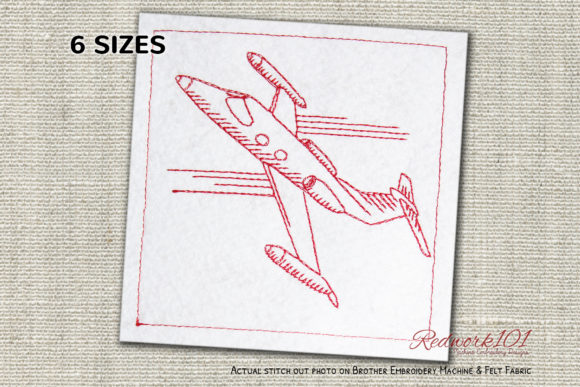
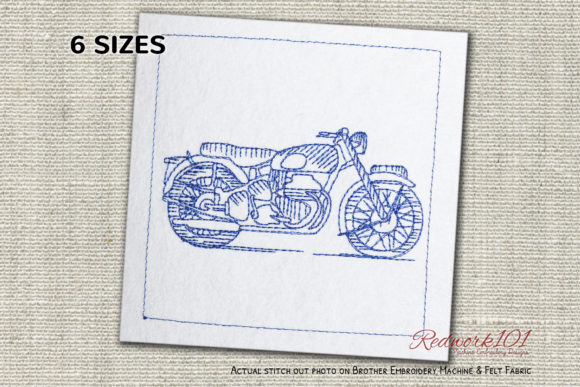
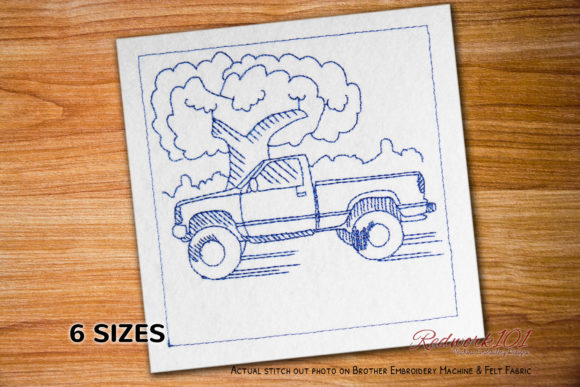
One specific detail mentioned in the description is the optional Box Stitch. The note states, "The Box Stitch shown in the picture is optional. The color of the outer Box is a different color in most of the designs unless it is part of the design itself, you can skip the col." This flexibility is a huge plus for production. If you are batching items, skipping an extra color change saves time and reduces thread waste. It allows you to keep the look monochromatic and classic, which often appeals to a broader adult audience looking for home decor rather than children’s apparel.
Product Applications for Maximum Sales
Where does this design shine? I tested the concept mentally across several common small shop product lines. Here is how I see it performing:
- Tote Bags and Market Bags: This is arguably the best application. A canvas tote with a single, crisp truck silhouette in deep red or navy thread is a staple seller. The tote bag design potential is high because the redwork style complements the natural texture of cotton canvas without overwhelming it.
- Tea Towels and Kitchen Linens: Tea towel embroidery thrives on simple, elegant motifs. This design works beautifully as a set—perhaps a pickup on one towel and a van on another. The open nature of redwork means the towels remain soft and absorbent, unlike heavy satin-stitch designs that can make fabric stiff.
- Aprons: For a apron embroidery project, placing this design on the bib or the lower corner adds a touch of personality. It appeals to customers who love cooking, gardening, or workshop hobbies.
- Embroidered Patches: If you stabilize correctly, this makes a fantastic embroidered patch. The clear lines translate well to smaller sizes, allowing customers to iron them onto denim jackets or backpacks.
However, I would be cautious with caps. While possible, the curved surface of a cap can distort linear designs if the hoop size and stabilization are not perfect. For beginners, sticking to flat goods like pillow covers and pouches is safer.
Production Practicality and Batch Efficiency
From a business standpoint, time is money. Redwork designs are generally faster to stitch than filled designs because there is less stitch density. This means you can produce more units in less time, increasing your profit per hour. The Car Pickup Truck Van Redwork Design appears to have clean paths with minimal jumps, which reduces trim time. For a commercial embroidery setup or a home-based business preparing for a holiday market, this efficiency is vital.
Photography is another key factor. This design photographs exceptionally well. The high contrast between the thread and the fabric creates a sharp image for your printable mockup needs and online listings. You do not need expensive lighting to make the details pop; natural light on a white linen background will suffice. This ease of marketing translates directly to higher click-through rates on platforms like Etsy.
Careful-Use Notes and Technical Considerations
While the design is forgiving, there are technical pitfalls to avoid. Always check the fabric texture. Highly textured towels can cause the thin redwork lines to sink in, making the design look faint. Using a cut-away stabilizer or a water-soluble topping can help keep the stitches on the surface. Additionally, ensure you verify the thread colors you intend to use. Classic redwork uses red, but modern interpretations might use navy, forest green, or charcoal. Test these on scrap fabric first to ensure the contrast is sufficient.
Be mindful of scale. If you shrink the design too much for a small pouch, the details of the truck wheels or windows may merge. Always stitch a test sample at your intended size. Furthermore, since the description mentions the box stitch is optional, decide early whether to include it. Consistency is key for brand recognition. If you sell a set, ensure every item follows the same design rule regarding the border.
Final Verdict for the Craft Fair Booth
Incorporating the Car Pickup Truck Van Redwork Design into your lineup adds a layer of rustic charm that balances out more colorful or complex items. It serves as an anchor product—something that feels timeless and safe for gift-givers. Whether you are creating a finished product for a local boutique or listing design assets for other makers, this design holds up.
Before you launch, confirm the commercial licensing terms associated with your specific embroidery file provider. Ensure you have the right to sell finished goods. Check the exact hoop size requirements to plan your workflow. If you are new to this style, start with a simple tea towel run. Once you master the tension and stabilizer combination, expand to totes and aprons.
Ultimately, this design is a strong contender for the handmade market. It respects the material, respects the buyer’s intelligence, and respects the maker’s time. In the world of Embroidery, finding that balance is rare. If you are looking to refresh your booth display with items that feel both authentic and professional, this redwork transportation motif is worth the hoop time.