Reviewing India Gate Lineart for Craft Fairs
As an embroidery designer who has spent countless weekends behind a booth table, I know that the difference between a browser and a buyer often comes down to visual clarity and emotional connection. When I first loaded the India Gate Lineart design into my software, my immediate thought was about its versatility in the Cities category. This is not just a graphic; it is a potential bestseller for anyone targeting travelers, history buffs, or those with a deep connection to New Delhi. In this review, I am evaluating this piece strictly through the lens of production practicality and market appeal for handmade sellers.
First Impressions and Aesthetic Appeal
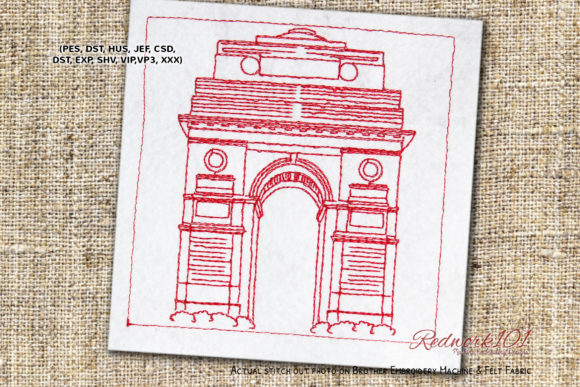
The term "lineart" suggests a minimal, modern approach, and that is exactly what makes this design powerful for contemporary craft fair products. Unlike dense, filled-in logos that can look heavy on lightweight fabrics, line art relies on clean strokes and negative space. This gives the finished product a premium, boutique feel rather than a mass-produced souvenir vibe. The aesthetic is elegant and architectural, fitting seamlessly into a modern home decor lineup or a sophisticated travel accessory collection.
One specific detail mentioned in the product description is that the Box Stitch shown in promotional pictures is optional. This is a crucial feature for us as creators. It means we have the flexibility to frame the monument or let it stand alone. For a minimalist tote bag, skipping the box creates a cleaner look. For a structured pillow cover, the box might provide necessary balance. The note that the outer box color differs in most designs unless part of the core file reminds us to be mindful of thread selection. We must ensure our chosen thread colors contrast well with the fabric, regardless of whether we include the border.
Product Suitability for Handmade Markets
When planning my inventory for a weekend market, I look for designs that perform across multiple substrates. India Gate Lineart excels here because of its scalable nature. Here is how I envision it performing on key items:
- Tote Bags: This is arguably the strongest application. A canvas tote with a crisp, single-color outline of the India Gate appeals to students, tourists, and eco-conscious shoppers. It serves as a subtle statement piece rather than a loud billboard.
- Tea Towels and Aprons: For kitchen textiles, the line art style prevents the fabric from becoming stiff. Heavy stitch density can ruin the drape of a tea towel, but a linear design maintains softness while adding decorative value.
- Embroidered Patches: If you offer custom patches, this design is ideal. The clear lines translate well to satin stitches or split stitches, creating a durable accessory that customers can iron onto jackets or bags.
- Caps and Hats: Curved surfaces are tricky. However, because this is a line-based design, it can be scaled down to fit the front panel of a dad hat without losing clarity, provided the stitch count is optimized for the curve.
For Etsy sellers and digital shop owners, this design also works beautifully for printable mockups. The clean lines allow for easy digital manipulation, helping you create compelling listing images that show the design on various backgrounds before you even stitch a single thread.
Production Practicality and Technical Notes
From a production standpoint, efficiency is key. We need designs that are quick to stitch so we can maintain healthy profit margins on small shop products. While I do not have the exact stitch count or file format details for this specific iteration of India Gate Lineart, line art generally consumes less thread and time than filled designs. However, there are critical technical considerations to address before you begin batch production.
First, always check the stitch density. Even in line art, if the lines are too close together, they can cause puckering, especially on lighter fabrics like cotton poplin or linen. I recommend testing the design on scrap fabric identical to your final product. Pay close attention to the corners of the arches and the base of the monument. These areas often require careful underlay stitching to prevent gaps or shifting.
Stabilizer choice is non-negotiable. For tote bags and heavier canvas, a cut-away stabilizer provides long-term durability. For tea towels and aprons where comfort matters, a tear-away or wash-away stabilizer might be preferable, but you must ensure the fabric does not distort during hooping. If you are using textured towels, be aware that fine lines can get lost in the pile. In such cases, increasing the stitch width slightly or choosing a high-contrast thread color can help the design pop.
Navigating Color and Contrast
The product description notes that the color of the outer box is different in most designs. This highlights the importance of thread color strategy. On dark fabrics, a standard black or navy thread will vanish. You must switch to white, cream, or metallic threads to maintain visibility. Conversely, on light fabrics, avoid pale pastels that lack definition. The beauty of a lineart design is that it looks intentional in monochrome, which simplifies your inventory. You do not need to stock ten different thread colors; one strong contrasting color often suffices for a chic, modern look.
Maximizing Sales and Customer Engagement
Why does this design sell? It taps into nostalgia and pride. For a craft fair booth, placement is everything. Display the India Gate Lineart on items that suggest usage. Hang the apron on a hook with a wooden spoon; fold the tea towel neatly next to a ceramic mug; stuff the tote bag with books. Context helps the customer visualize the item in their life.
Furthermore, this design supports brand consistency. If your shop focuses on architectural landmarks or travel-themed embroidery, this piece fits perfectly into a cohesive collection. It signals to the buyer that you are a specialist, not just a generalist. This perceived expertise increases the perceived value of the finished product, allowing you to price your work fairly for the labor involved.
For commercial embroidery applications, ensure you have the correct license. Most digital embroidery files come with specific terms regarding the number of physical items you can sell. Always confirm commercial licensing before listing items on Etsy or at local markets. Protecting your business legally is as important as protecting your design aesthetically.
Final Verdict for Embroidery Entrepreneurs
In conclusion, India Gate Lineart is a strong contender for any embroidery business looking to expand its Cities category. Its minimal style ensures it remains trendy and versatile, avoiding the dated look of overly complex, multi-colored souvenirs. By focusing on high-quality fabric choices, proper stabilizer use, and strategic product placement, you can turn this digital asset into a high-margin physical product.
Remember to create at least one real mockup before launching. Photograph it in natural light to show the texture of the stitches against the fabric. Highlight the precision of the lines. When customers see the quality of the stitch work up close, they are far more likely to invest in your handmade creation. Whether you are selling tote bags, patches, or home decor, this design offers the clarity and elegance needed to stand out in a crowded marketplace.