Reviewing the Quilt Pattern Lineart Design
As a designer who has spent countless hours digitizing and testing files for real-world application, I approach every new machine embroidery design with a mix of curiosity and skepticism. We have all been there: downloading a file that looks pristine on the screen, only to find it puckers the fabric or loses its charm once the needle hits the cloth. Today, I am taking a close look at the Quilt Pattern Lineart Design, a piece categorized under Intricate Cuts within the broader Embroidery market. This is not just a visual inspection; this is a practical evaluation of how this design holds up when you are trying to build a reputable craft business or create a meaningful personalized gift.
First Impressions and Visual Personality
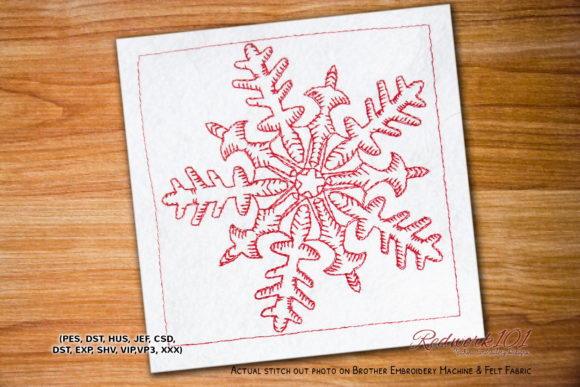
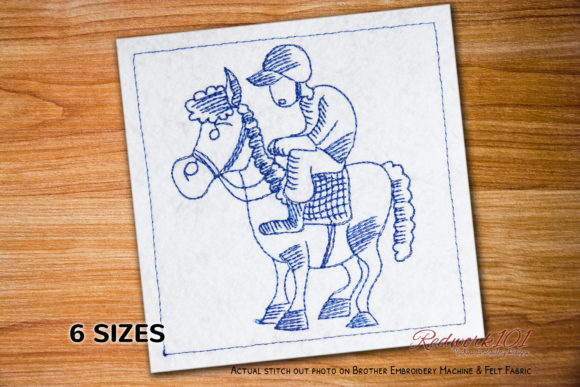
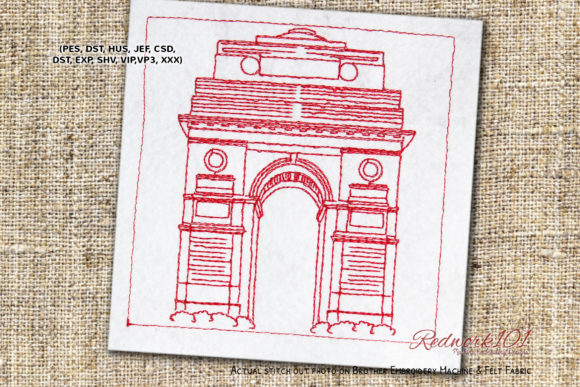
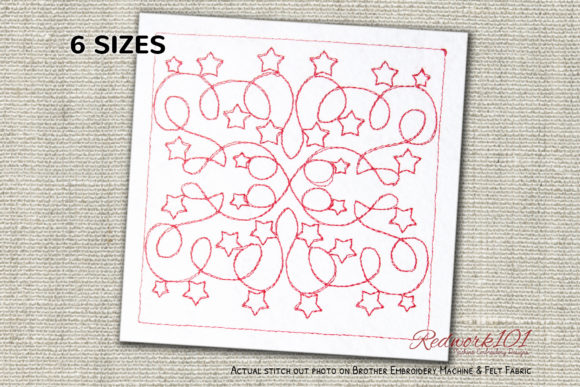
The first thing that strikes me about the Quilt Pattern Lineart Design is its clean, architectural aesthetic. It does not rely on heavy fill stitches or complex shading to make an impact. Instead, it uses line work to evoke the cozy, structured feel of traditional quilting without the bulk. The mood is calm, organized, and slightly nostalgic. For an embroidery project, this is a significant advantage. Heavy designs can weigh down lightweight fabrics, but this lineart approach suggests a lighter touch.
The description notes that the Box Stitch shown in promotional images is optional. This is a crucial detail for any serious Etsy seller or apparel decorator. It means the core value of the design lies in the pattern itself, not the framing. The note about the outer box color being different in most designs unless part of the design itself suggests flexibility. You can skip the color direction if it does not suit your palette. This adaptability is vital for creating cohesive design assets for a small shop product line where brand consistency matters.
Real-World Application: The Tote Bag Test
To truly evaluate a design, I mentally place it on a specific product. Let us consider a canvas tote bag, a staple for any craft business. Canvas is sturdy, but it has a visible weave. A design with too much stitch density can cause the fabric to pucker or distort. The Quilt Pattern Lineart Design, with its emphasis on lines rather than solid blocks of thread, seems ideally suited for this texture. The running stitch or light satin stitch elements likely used in such a lineart style would sit flat against the canvas, preserving the bag's structural integrity.
Imagine offering this as part of a spring collection. The geometric nature of the quilt pattern appeals to modern buyers who appreciate minimalism. It works equally well as a tote bag design for grocery runs or as a chic accessory for a bookstore cafe. Because the design is not overly dense, it stitches out faster, which is a hidden profit booster for small business owners who need to manage production time efficiently.
Versatility Across Products
Beyond totes, where else does this design shine? I see strong potential in sweatshirt embroidery. Hoodies and crewnecks often feature fleece or heavy cotton blends. A heavy applique design might add unnecessary bulk to the chest area, but a lineart pattern adds visual interest without the weight. It creates a sophisticated, boutique look that elevates a basic garment into a custom apparel piece worth a higher price point.
For baby embroidery, softness is paramount. Parents are wary of scratchy, dense stitching on onesies or blankets. This design’s open structure allows the fabric to remain soft and breathable. It would look charming on a nursery pillow cover or a receiving blanket, providing a subtle decorative accent that feels handmade and thoughtful. It is also an excellent candidate for holiday embroidery projects, such as kitchen towels or aprons, where a clean, crisp look complements the festive season without overwhelming the utility of the item.
Technical Considerations and Pitfalls
While the design is versatile, it is not without its challenges. As an experienced reviewer, I must point out where caution is needed. The category "Intricate Cuts" implies fine details. If you are working with a small hoop size, ensure that the smallest lines do not become lost or merge together. On stretchy fabrics like jersey knits, proper stabilization is non-negotiable. Without a cut-away stabilizer, the tension from the stitching could cause the fabric to ripple around the lines, ruining the clean aesthetic.
Dark fabrics present another challenge. Lineart designs often rely on contrast. If you are stitching white thread on black fabric, any slight misalignment or thread break will be glaringly obvious. I always recommend testing the thread colors on scrap fabric first. Check the contrast. Does the design pop, or does it blend in too much? For dark fabrics, you might need to adjust the brightness of your thread or consider a slightly heavier stitch weight if the software allows, though you must respect the original digitizing intent.
Additionally, be mindful of curved surfaces like caps. While possible, placing a geometric quilt pattern on a curved brim or panel requires precise hooping. Any distortion in the fabric will distort the straight lines of the design, making it look wavy and unprofessional. For beginners, sticking to flat surfaces like patches, pillows, or tote bags is the safer bet for maintaining the design’s integrity.
Enhancing Product Value and Brand Trust
Why choose this specific design over a generic clipart conversion? The answer lies in professionalism. A well-digitized lineart design signals attention to detail. When customers see clean lines and consistent spacing, they perceive higher quality. This builds customer trust and encourages repeat business. For digital product sellers, offering a clean, versatile file like this allows buyers to create their own unique finished product variations, increasing the perceived value of your digital store.
Using this design in your printable mockup previews can also boost engagement. Show the design on a variety of items—a mug wrap, a shirt, a tote. Help your customers visualize the potential. The neutral, geometric nature of the quilt pattern makes it easy to integrate into various branding styles, from rustic farmhouse to modern minimalist.
Practical Designer Notes for Success
Before you commit to a large batch of commercial embroidery orders, follow these steps:
- Test on Scrap Fabric: Always stitch a sample on the exact fabric type you plan to use. Check for puckering or thread breaks.
- Check Stabilizer Compatibility: Use the right stabilizer for your fabric. Tear-away for stable woven fabrics, cut-away for knits.
- Verify File Details: The product description mentions optional elements. Ensure you know how to toggle the Box Stitch on or off in your software if needed. Confirm the file formats provided match your machine.
- Review Licensing: Before selling items made with this embroidery file, confirm the license terms. Can you sell finished physical goods? Are there restrictions on digital redistribution?
- Contrast Check: Test the design in black and white mockups to ensure the lines remain distinct regardless of color choices.
In conclusion, the Quilt Pattern Lineart Design is a thoughtful addition to any designer’s library. It balances aesthetic appeal with practical stitch efficiency. It is not just a pretty picture; it is a functional tool for creating high-quality handmade products. Whether you are decorating a single personalized gift or stocking your online store, this design offers the flexibility and polish needed to succeed in today’s competitive market. Treat it with the technical respect it deserves, and it will serve your creative endeavors well.